
Everything You Need to Know Before Working with a Manufacturer
What Is a Private Label Clothing Manufacturer?
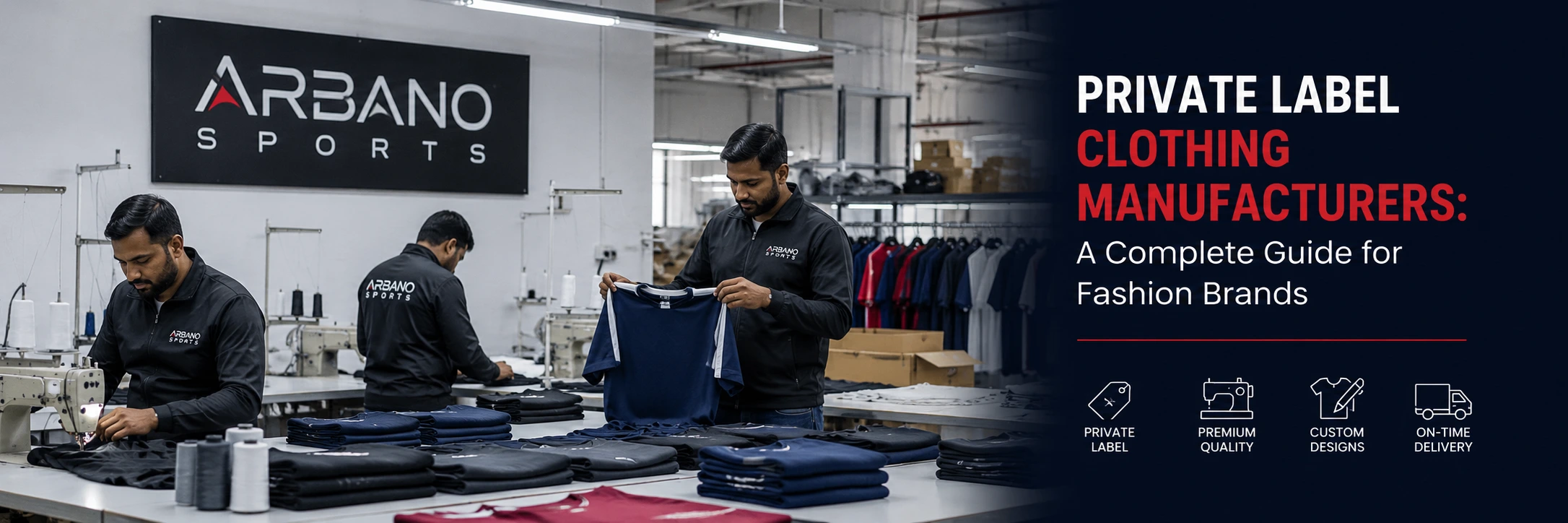
A private label clothing manufacturer produces garments that are sold under your brand name instead of theirs. You provide the vision, while they handle production—from fabric sourcing to finished products—allowing you to launch your clothing line without owning a factory.
With private label clothing, you don’t always start from scratch. Manufacturers often offer ready-made styles that you can customize with your logo, colors and small design changes, saving both time and cost. Unlike wholesale, where you simply resell products, private label garments give you full control over branding, packaging and identity. This means customers connect with your brand, not the manufacturer behind it.
For anyone looking to start a fashion brand without dealing with complex production processes, working with an experienced manufacturer like Arbano Sports can make the journey even smoother, offering reliable production support and industry expertise. Private label manufacturing remains a practical and efficient solution for building a successful clothing brand.
Categories of Private Label Apparel
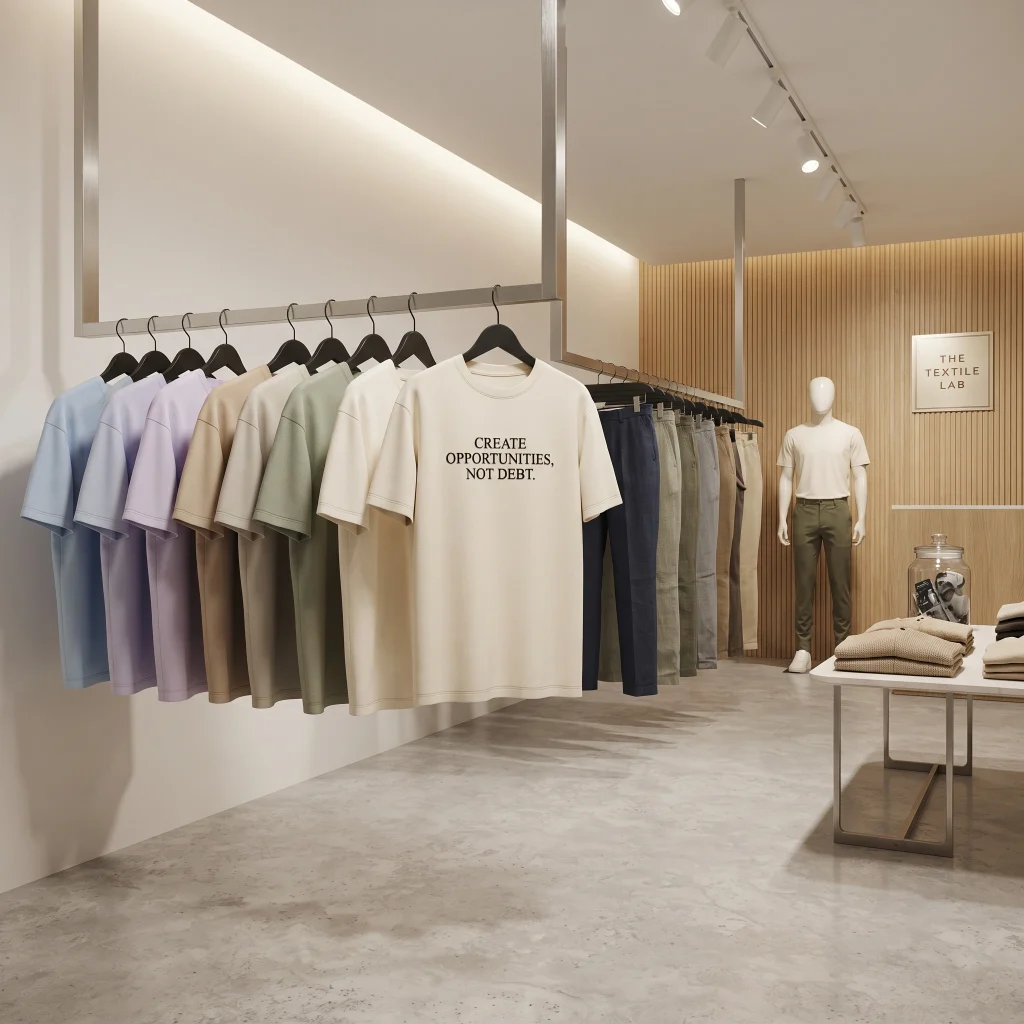
When it comes to private label clothing, brands have the flexibility to explore multiple product categories that align with their target market and niche. Instead of limiting yourself to just one segment, you can build a complete brand ecosystem by offering a variety of products under your label. Below are some of the most in-demand categories that private label manufacturers commonly support:
Each of these categories plays an essential role in building a strong and recognizable brand. Team-wear uniforms are perfect for schools, clubs and organizations looking for customized identity and unity, making them a high-demand segment in bulk production. Sports apparel, including jerseys, tracksuits, gym wear and activewear, continues to dominate the market due to the rising global fitness trend and sportswear culture. Beyond clothing, many brands expand into sports equipment, such as training gear, bags and protective items, allowing them to offer complete solutions to their customers rather than just apparel. Finally, accessories like caps, socks, wristbands and backpacks add an extra layer of branding and increase overall sales value per customer. By combining these categories under one private label garments strategy, brands can create a complete product line, strengthen their market presence and maximize profitability without managing multiple suppliers.
Private Label vs Custom Clothing Manufacturing
Key Differences Explained
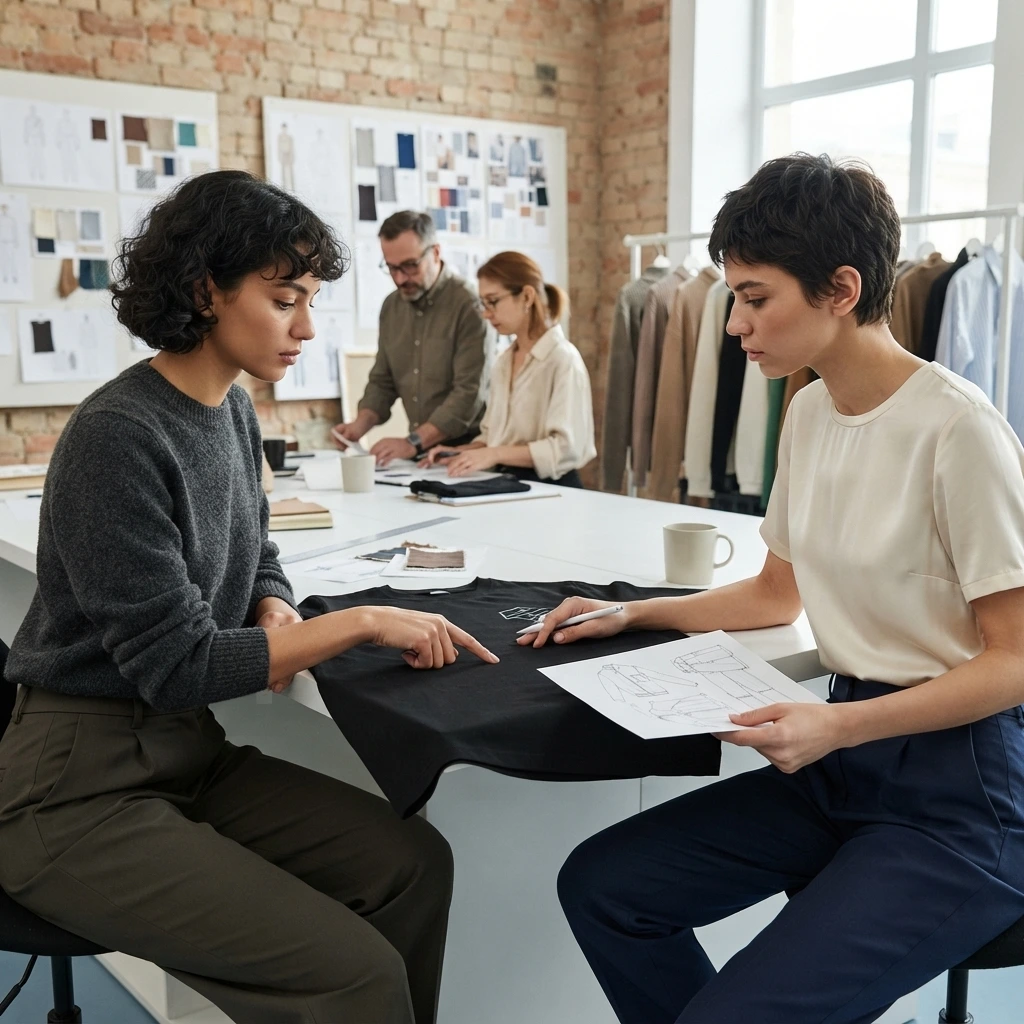
At first glance, private label clothing and custom manufacturing might seem similar, but they serve different purposes. Private labels rely on existing designs that you customize, while custom manufacturing involves creating garments from scratch—patterns, cuts and all.
Here’s a simple comparison:
| Feature | Private Label Clothing | Custom Manufacturing |
| Design Process | Pre-existing templates | Fully original designs |
| Cost | Lower | Higher |
| Production Time | Faster | Slower |
| Flexibility | Limited customization | Complete control |
| Ideal For | Startups & small brands | Established brands |
Which Model Is Best for Startups?
If you’re just starting out, private label garments are the smarter choice. Why? Because they minimize risk. You don’t need massive budgets or long development cycles. Instead, you can test your brand in the market quickly and refine your strategy based on real customer feedback.
Custom manufacturing, on the other hand, is like building a house from the ground up. It offers total freedom but requires more time, money and expertise. For most startups, that’s a big leap. A private label acts as a stepping stone—helping you grow before diving into fully custom designs.
How the Private Label Clothing Manufacturing Process Works
The private label clothing manufacturing process involves several important stages, each contributing to the quality and success of your final product. By understanding how each step works—from brand planning and fabric sourcing to production and packaging—you can make smarter decisions and build a clothing line that reflects your brand’s vision.
Brand Concept and Product Direction
Every successful clothing brand starts with a clear vision. What’s your niche? Who are your customers? Are you targeting fitness consumers, streetwear lovers or luxury buyers? Defining your brand concept is like setting the foundation of a building—everything else depends on it.
Manufacturers often ask for mood boards, references and target demographics. This helps them align production with your vision. Without this clarity, even the best manufacturer can’t deliver what you truly want.
Design Support and Technical Development
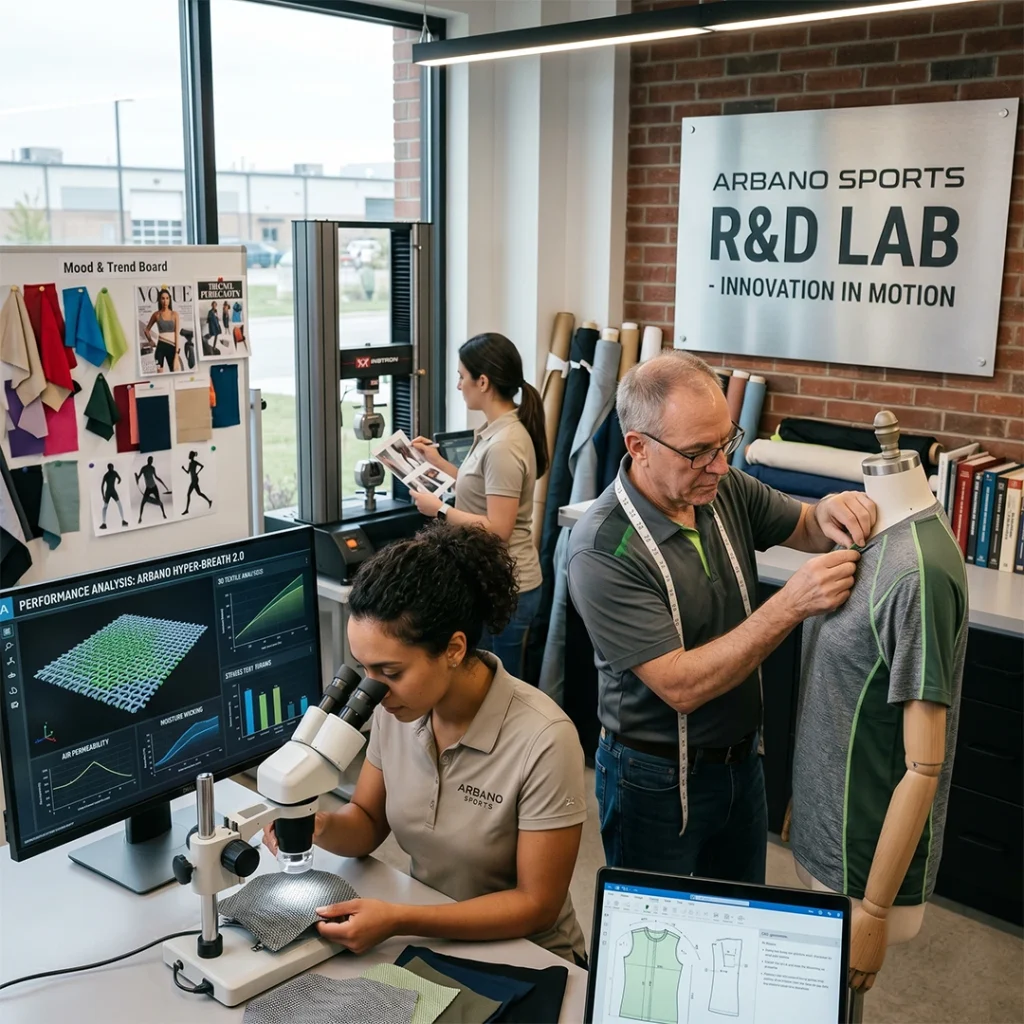
Many private label clothing manufacturers offer design assistance, which is a game-changer for beginners. They help refine your ideas, create tech packs and ensure designs are production-ready. Their research and development process helps bridge creativity and practicality while ensuring your products meet manufacturing standards.
Think of it as translating your imagination into a language machines understand. Without proper technical development, even the best ideas can fall apart during production.
Fabric Sourcing
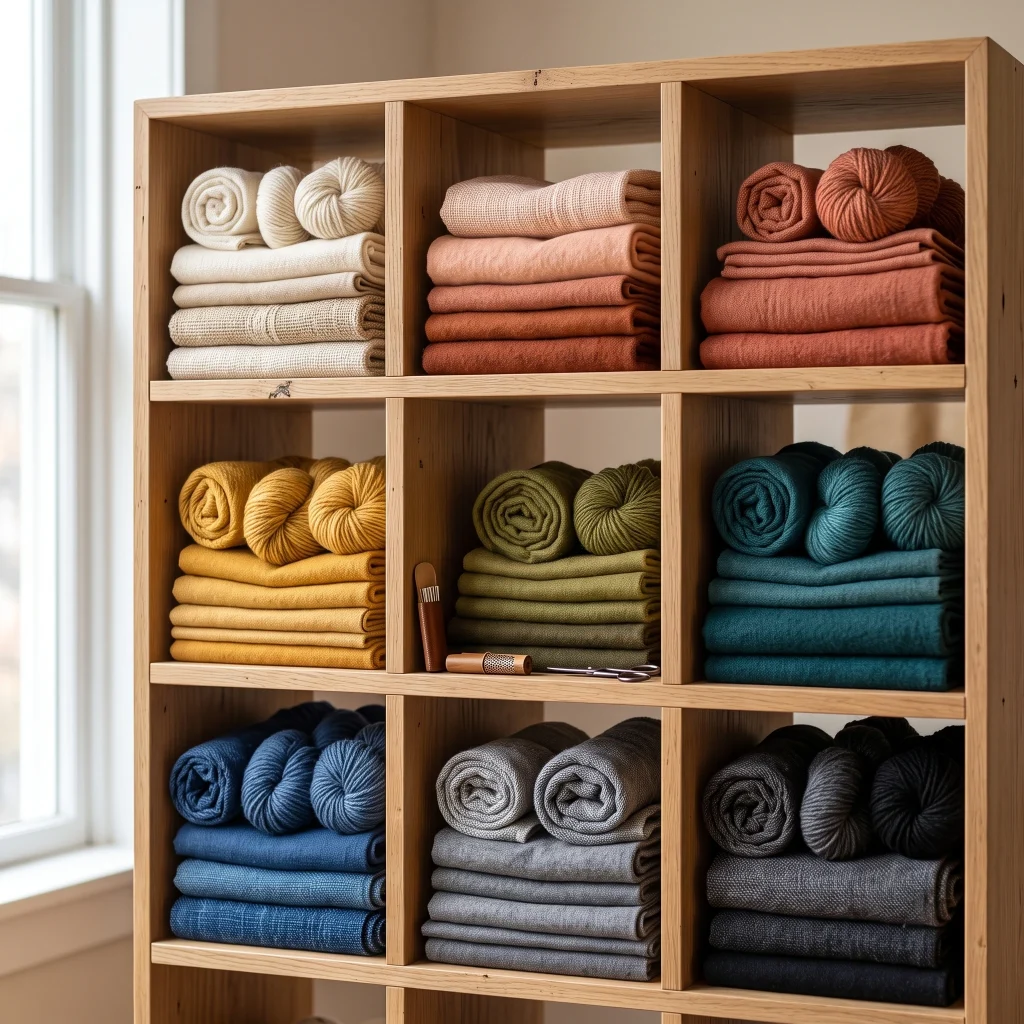
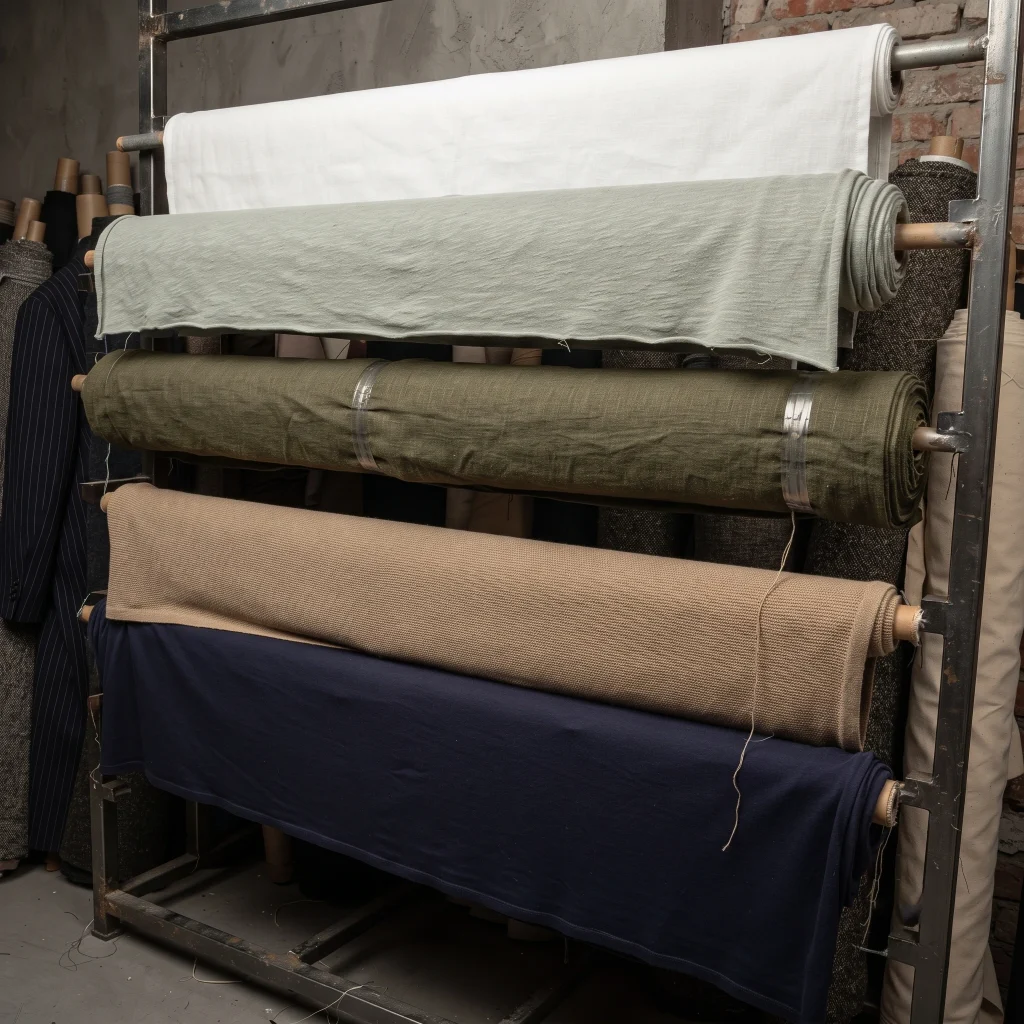
Fabric is the soul of any garment. The feel, durability and overall quality depend on it. Manufacturers carefully source raw materials, including cotton, polyester blends and sustainable fabrics, to meet different product requirements.
Choosing the right fabric isn’t just about appearance—it’s about functionality. A gym shirt needs breathability, while a winter hoodie requires warmth. Getting this right can make or break your product.
Garment Sampling
Before mass production begins, manufacturers create samples. This is your chance to see, feel and test the product. It’s like a dress rehearsal before the main show.
Never skip this step. Sampling allows you to identify flaws, adjust designs, and ensure everything meets your expectations. It’s far cheaper to fix issues here than after producing hundreds of units.
Labeling and Branding
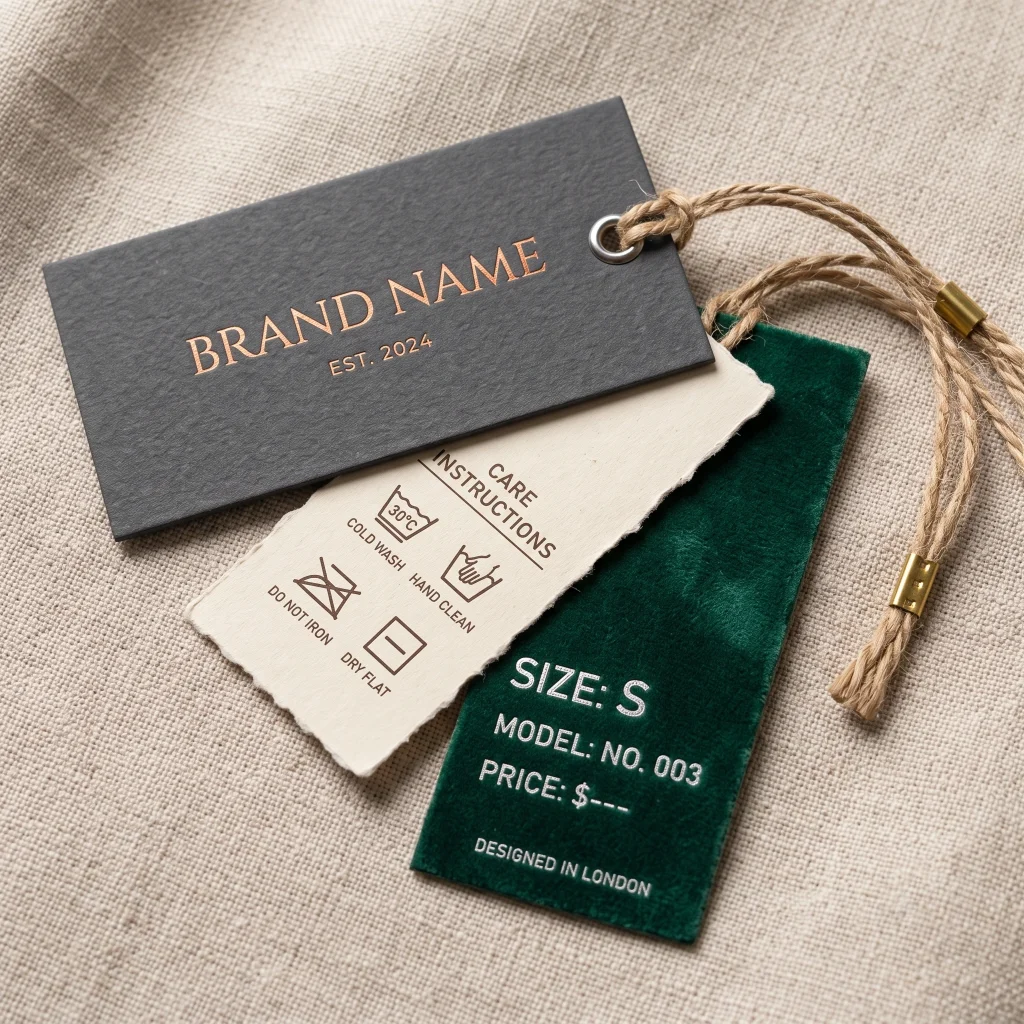
This is where your identity comes to life. Labels, tags and packaging transform generic clothing into private label garments. Your logo becomes the face of the product.
Branding isn’t just about looks—it’s about perception. A well-designed label can elevate your brand instantly.
Print and Embroidery
Printing and embroidery add personality to your clothing line. Whether it’s screen printing, digital printing or detailed embroidery, the right embellishment technique defines your design’s uniqueness. Each method has its pros and cons, and manufacturers guide you based on your needs and budget.
Bulk Clothing Production
Once everything is approved, production begins. This is where scale comes into play. Manufacturers use advanced machinery and skilled labor to produce large quantities efficiently.
The key here is consistency. Every piece should match the approved sample perfectly.
Quality Control
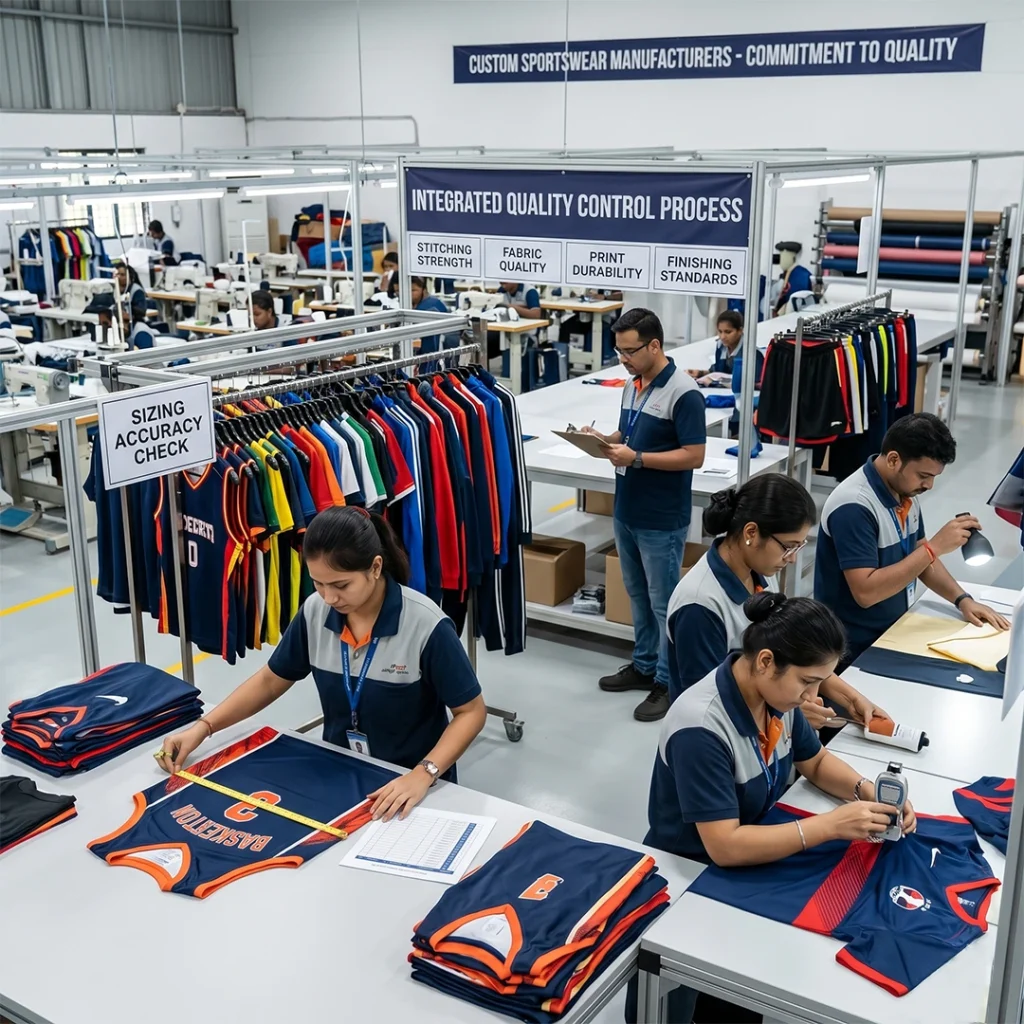
Quality control ensures your products meet standards before reaching customers. Manufacturers inspect stitching, fabric quality and overall finishing.
Skipping this step can damage your brand reputation. One faulty product can lead to negative reviews and lost trust.
Packaging and Final Presentation
Packaging is the first physical interaction customers have with your brand. A well-packaged product creates excitement and builds loyalty.
From custom boxes to eco-friendly packaging, this step adds the final touch to your brand experience.
Why Work With a Clothing Manufacturer in Sialkot?
Sialkot has emerged as a global hub for private label clothing manufacturers, and for good reason. The city offers a unique combination of affordability, quality and expertise. Known for its strong textile and sportswear industry and access to high-quality materials, manufacturers in Sialkot deliver products that meet international standards.
Another major advantage is cost efficiency. Labor and production costs are significantly lower compared to Western countries, allowing brands to maintain healthy profit margins. At the same time, many Sialkot-based manufacturers export worldwide, meaning they are well-versed in global quality requirements and compliance standards.
Communication has also improved significantly. Most manufacturers now provide smooth coordination, fast turnaround times, and flexible MOQs, making Sialkot an ideal choice for startups as well as growing fashion brands.
What Fashion Brands Should Prepare Before Contacting a Manufacturer
Approaching a manufacturer without preparation is like going into an exam without studying—you might get lucky, but chances are you won’t. Before reaching out, you need a clear plan.
Start with your brand identity. Know your target audience, style, and pricing strategy. Then, prepare design references or sketches. Even rough ideas help manufacturers understand your vision.
Budget planning is equally important. Know how much you can invest and what your expected margins are. This helps in negotiating effectively and avoiding surprises later.
Common Mistakes to Avoid in Private Label Clothing Production
Many brands fail not because of bad ideas, but because of avoidable mistakes. One of the biggest errors is choosing the cheapest manufacturer without considering quality. Low costs can lead to poor products, which ultimately harm your brand.
Another mistake is skipping samples. Rushing into bulk production without testing can result in costly errors. Communication gaps are also common—unclear instructions often lead to unsatisfactory results.
Finally, ignoring branding is a major setback. Even high-quality products need strong branding to stand out in a competitive market.
How to Choose the Right Private Label Clothing Manufacturer
Choosing the right manufacturer is like selecting a business partner—it’s a decision that can shape your brand’s future. Start by researching their experience, product range and client reviews.
Ask for samples to evaluate quality firsthand. Communication is another critical factor. A responsive manufacturer ensures smoother collaboration and fewer misunderstandings.
Also, consider scalability. Can they handle larger orders as your brand grows? A good manufacturer grows with you, supporting your journey from startup to established brand.
Ready to Build Your Private Label Collection?
Launching your own clothing line might feel challenging, but private label clothing manufacturers make the process far more accessible. They provide the tools, expertise and infrastructure needed to turn your ideas into reality.
The key is to start small, learn from the process and gradually scale your brand. With the right strategy and manufacturer, your vision can transform into a successful business. If you’re ready to take the next step or want expert guidance, feel free to contact our team today—we’re here to help you bring your brand to life.
Conclusion
Building a fashion brand no longer requires massive investments or owning production facilities. With private label garments, you can enter the market quickly, test your ideas, and grow strategically. From concept development to final packaging, the process is streamlined to support both beginners and experienced entrepreneurs.
The real magic lies in combining creativity with the right manufacturing partner. When those two elements align, you’re not just selling clothes—you’re building a brand identity that resonates with customers.
FAQs
What is the minimum order quantity for private label clothing?
The minimum order quantity (MOQ) depends on the manufacturer and the type of garment you choose. Most private label clothing manufacturers require between 50 and 500 pieces per design. However, many suppliers now offer lower MOQs to help startups and small businesses launch their brands with less investment.
Can I customize designs in private label clothing?
Yes, private label clothing allows you to customize various branding elements, including your logo, labels, tags, colors, packaging and prints. While the base garment is often pre-designed, these customizations help create a unique brand identity. Some manufacturers also offer additional design modifications based on your requirements.
How long does production take?
Production time usually ranges from 2 to 8 weeks, depending on the order quantity, garment complexity and customization requirements. Sampling, fabric sourcing and shipping can also affect the timeline. It’s always best to confirm the production schedule with your manufacturer before placing an order.
Is private label clothing profitable?
Yes, private label clothing can be highly profitable because it combines competitive manufacturing costs with strong branding opportunities. Building your own brand allows you to set your pricing and increase profit margins over time. Success depends on product quality, effective marketing and customer satisfaction.
Do I need design experience to start?
No, you don’t need professional design experience to launch a private label clothing brand. Many manufacturers provide design assistance, tech pack support and product development services to help turn your ideas into finished garments. This makes it easier for beginners to enter the fashion industry with confidence.